Negotiating with Objects
A different perspective in designing product interactions.
People find comfort in negotiating for concessions with objects around them. We hit torchlights for their last bits of power or cover our ears when music is too loud. This project aims to introduce a different perspective in designing product interactions.
Client
-
Industries
Product Design, User Testing
Date
2018
Recognition
This project was shortlisted for Wallpaper* Handmade Next Generation Singapore Designer 2019
Challenges
Limited client feedback made it difficult to prioritise design revisions, causing delays in the development sprint cycle.
Objectives
To Involve designers early in requirement-gathering to prioritise user experience.
Impact
Optimised refinement sprints and improved efficiency by reducing cycle time by 43% to 50%.
The problem
Sprint development delays caused rushed decisions, resulting in unclear user story requirements. This confusion and misalignment among team members resulted in frequent scope changes and compromised design consistency.
Challenges
Lacking of Early Client Agreement and Designer Involvement
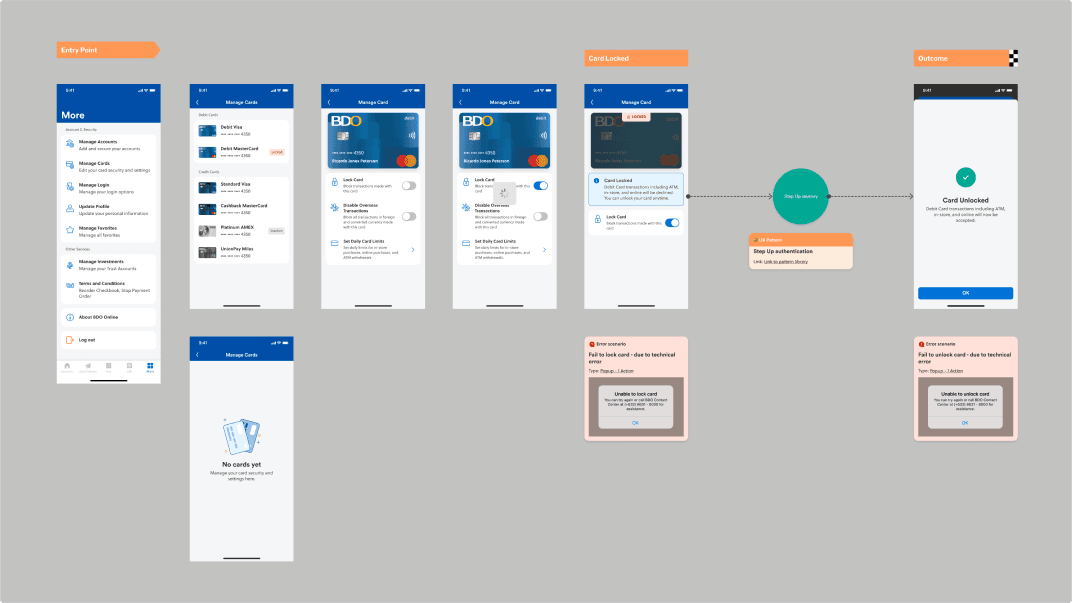
It became evident that there was insufficient early involvement from designers. With the user journey mostly determined at early stages, with the business analyst finalising the user flow after receiving the client's requirements. This resulted in missed opportunities for the user experience team to advocate for users. Moreover, limited client feedback engagement posed challenges in hasty design revisions.
<Highlights>
Approaches
Achieving design consistency and effective communication within the team.
This misalignment led to repeated revisions, disrupting planned sprint cycles and causing delays.
Involvement of UX designers in early stages
Adopt an approach where designers participate in gathering requirements and making decisions early on, we ensured that user experience is prioritised throughout the design process. Additionally, it fosters better communication and collaboration between designers and other stakeholders, leading to more cohesive and well-informed project outcomes.
Active feedback engagement with key stakeholders
Using feedback channels with clients, particularly by tagging relevant stakeholders (UX, CX teams, Business team) on Figma, built trust and get stakeholders to be part of the the design process. Involving key decision-makers early and securing their agreement before bringing the discussion to a larger group made the decision-making process smoother.
Impact
Optimized refinement sprints and improved efficiency by reducing cycle time by 43% to 50%
By Prioritizing effective communication and actively engaging clients through a feedback channel helped address premature product decisions, reducing back-and-forth communication and resolving team frustrations. Clear guidelines, regular feedback loops, and involvement of UX designers in all stages of product development can help ensure a smoother workflow.